
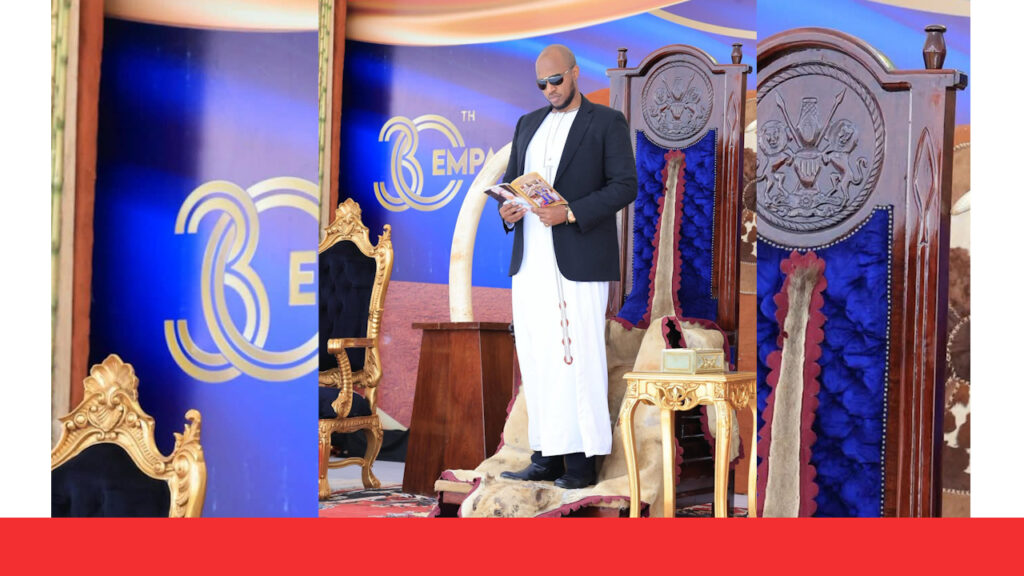
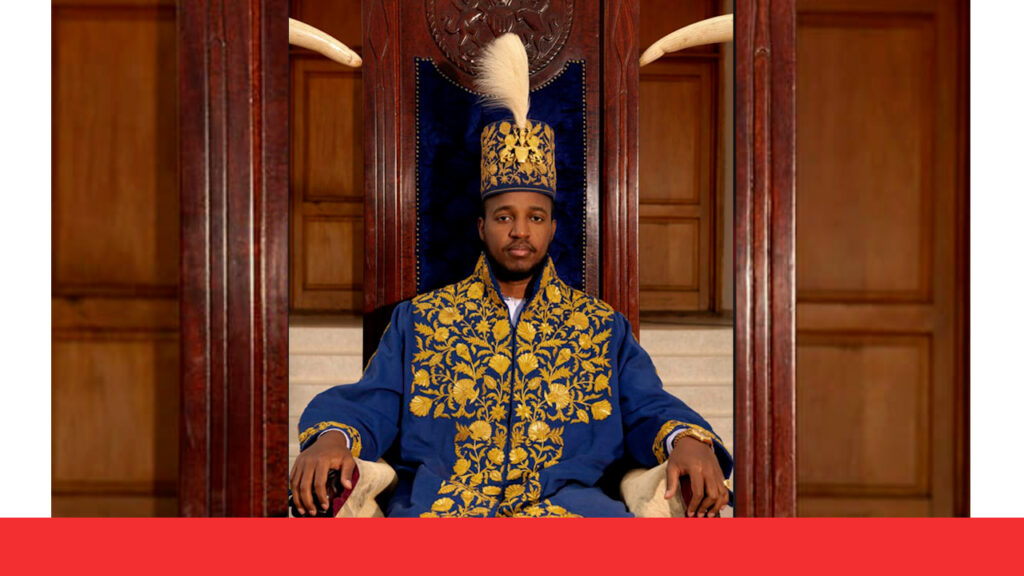
The hills of Tooro have long echoed with the rhythms of tradition—drumbeats that tell stories of ancestry, kingship, and identity. But in a remarkable turn that blends heritage with deep personal conviction, King Oyo Nyimba Kabamba Iguru Rukidi IV has chosen to shape a different narrative—one rooted not only in royal legacy, but in unwavering faith.
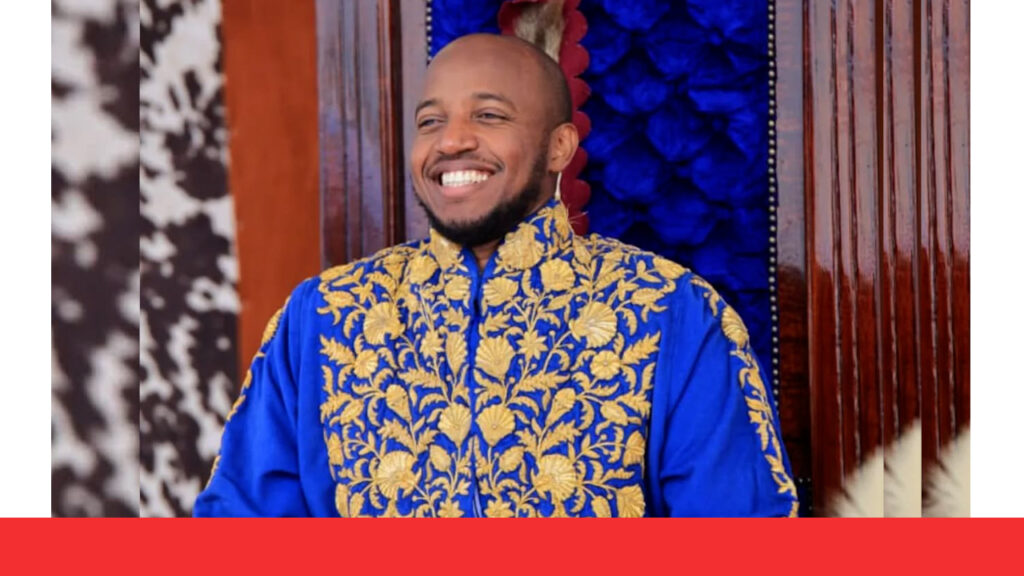
From a young age, King Oyo’s life was unlike any other. Crowned as one of the world’s youngest reigning monarchs, he carried the weight of a kingdom before he could fully understand its depth. Surrounded by elders, guided by tradition, and raised under the watchful eyes of his people, his path seemed clearly defined: uphold the customs, preserve the culture, and lead with dignity.
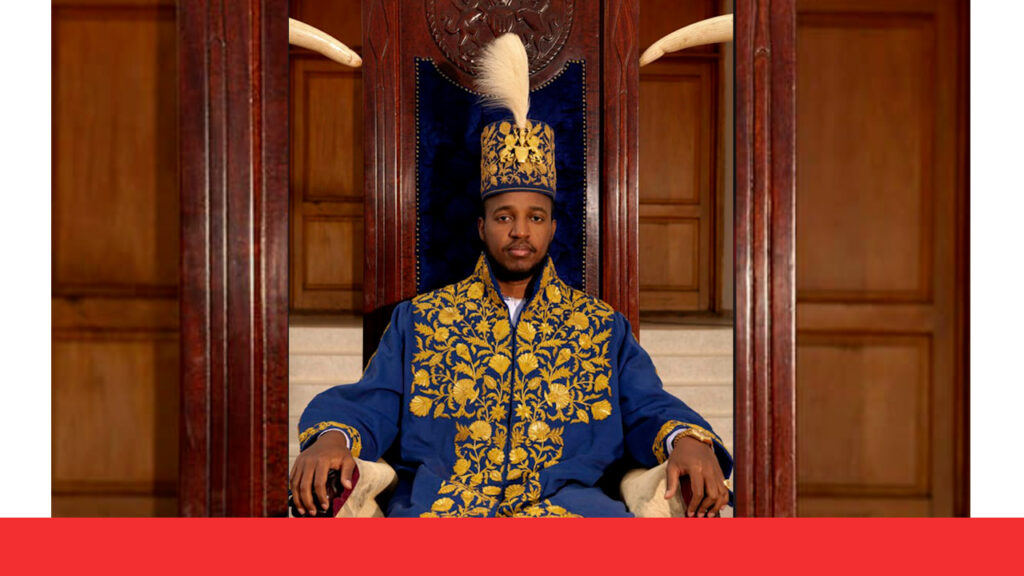
Yet, beneath the crown and ceremony, a quieter journey was unfolding—one of personal discovery, spiritual hunger, and a longing for something greater than earthly authority.
As he grew, King Oyo encountered a message that would transform his life completely—the message of Jesus Christ. Not as a distant figure spoken of in passing, but as a living King, a Savior, and a personal Lord. What began as curiosity soon deepened into conviction.
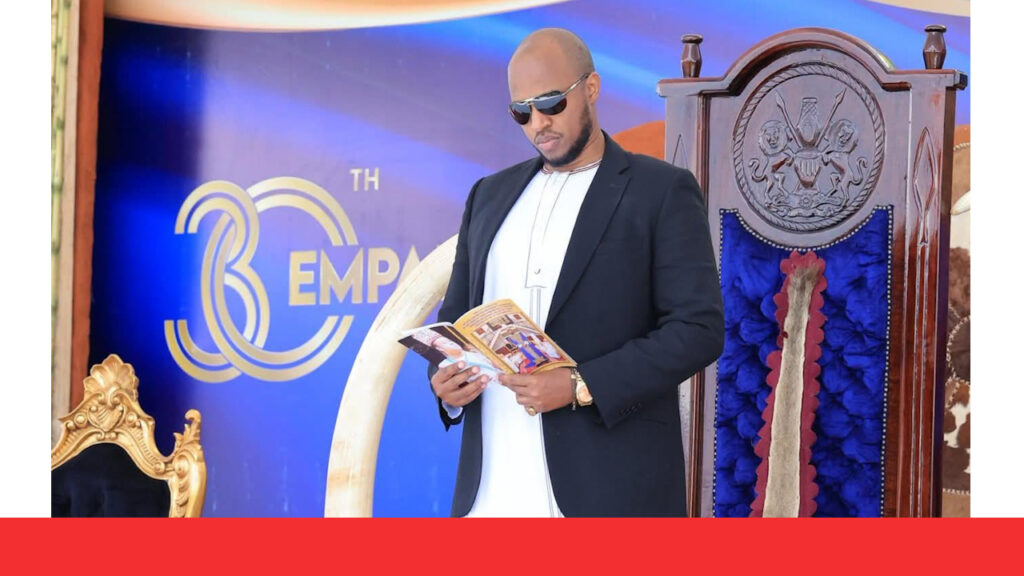
n moments away from the public eye, he wrestled with questions that many never imagine a king would ask: What is true power? What does it mean to lead? And who truly reigns above all?
The answers, he found, did not lie in the throne he sat on, but in surrender.
One defining moment marked the turning point. In a gathering filled not with royal protocol but with worship and prayer, King Oyo made a declaration that would shape both his personal life and his leadership:
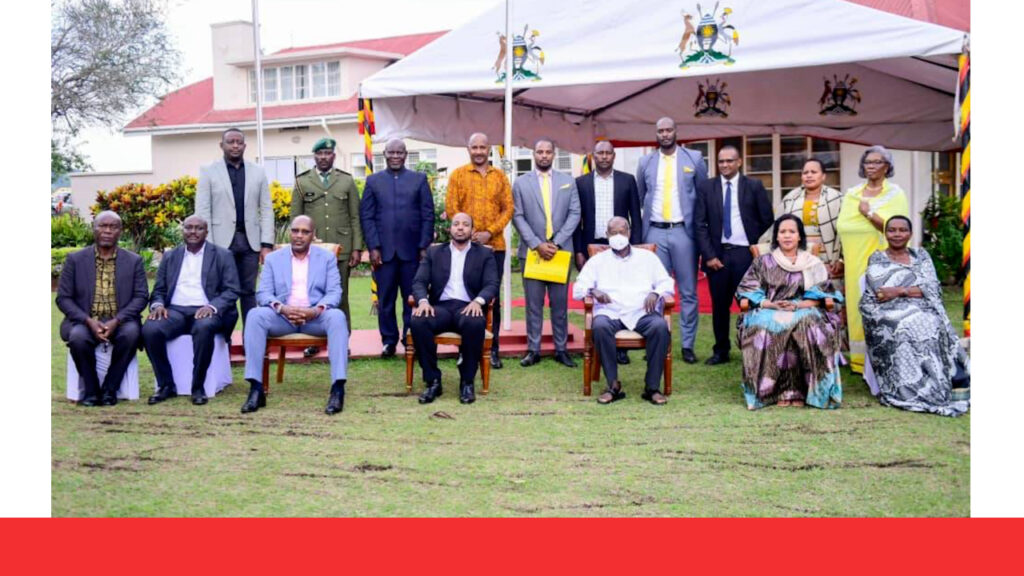
“I accept Jesus Christ as my King.”
It was a profound statement—simple in words, yet powerful in meaning. A king, acknowledging a higher King. A ruler, submitting to divine authority.
From that day forward, his life took on a new direction. His speeches began to reflect his faith. His leadership grew gentler yet stronger, guided by principles of humility, service, and righteousness. And perhaps most striking of all, he began to openly and consistently declare:
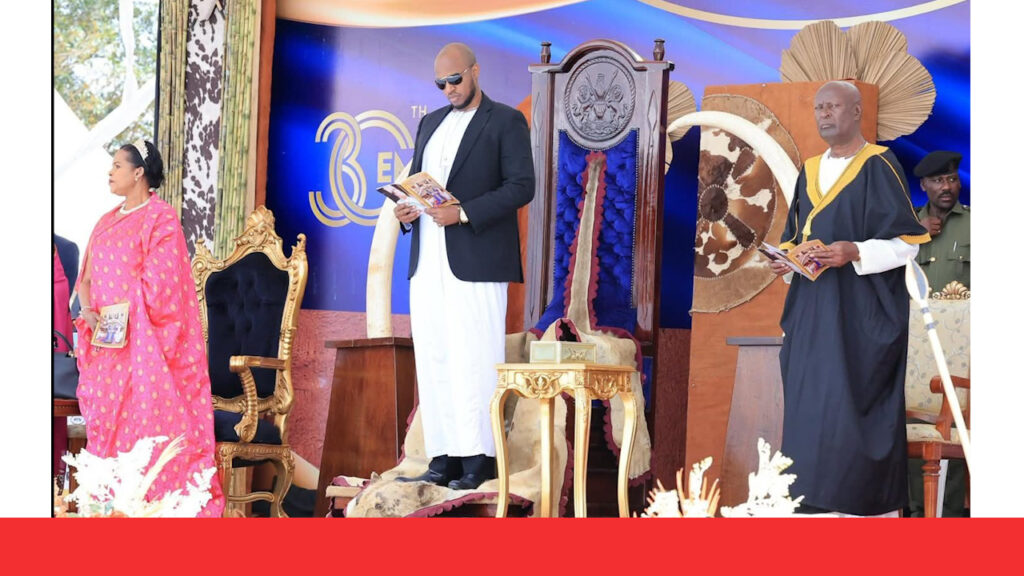
“I always say Tooro Kingdom belongs to God.”
This was not a symbolic phrase or ceremonial statement. It was a conviction he carried into every aspect of his reign. To him, the kingdom was not merely an inheritance—it was a trust from God, to be stewarded with wisdom and integrity.
Under this spiritual lens, leadership became service. Authority became responsibility. And kingship became an act of worship.
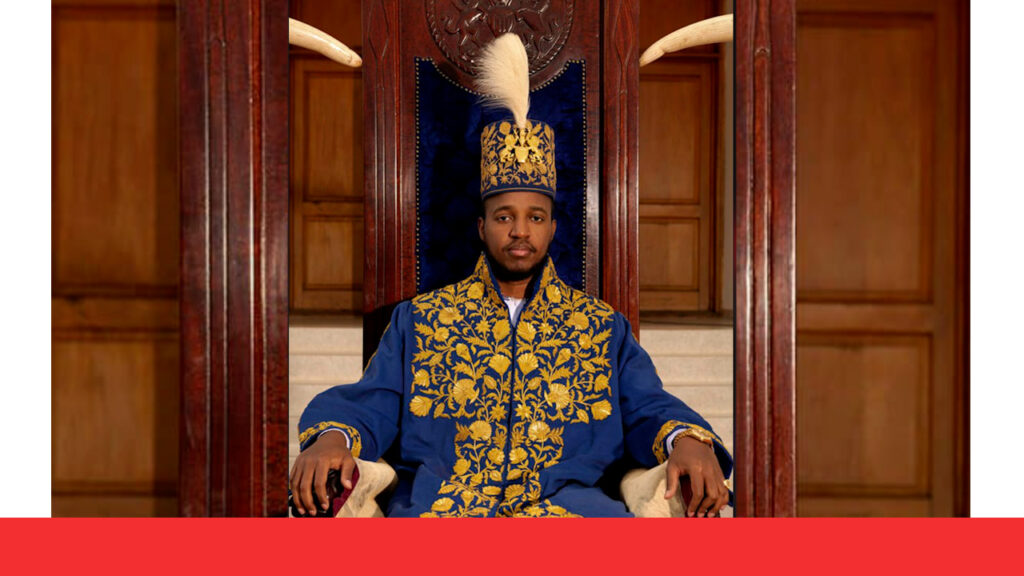
King Oyo’s faith did not erase tradition—it refined it. He embraced his cultural identity while anchoring his heart in a higher purpose. In doing so, he became a bridge between two worlds: the richness of African heritage and the transformative power of Christian faith.
For the people of Tooro, this shift was both inspiring and grounding. Their king was not only a symbol of unity but also a testimony of devotion. His openness about his faith encouraged many—young and old alike—to reflect on their own beliefs and purpose.He spoke not just from a throne, but from a place of personal experience:
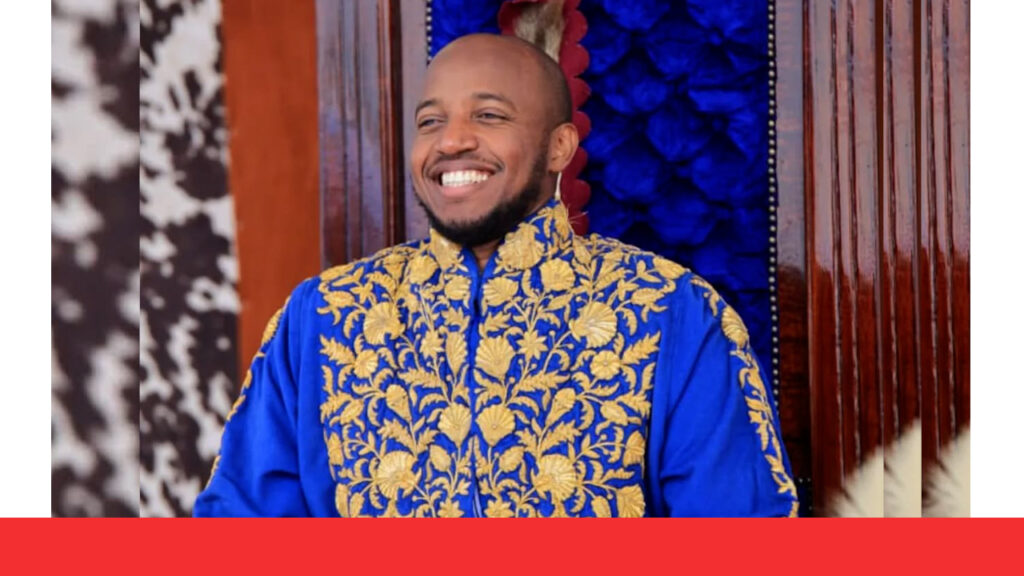
He spoke not just from a throne, but from a place of personal experience:
“That crown I wear is temporary. But the kingdom of God is eternal.”
Through his words and actions, King Oyo continues to redefine what it means to reign. Not through dominance or grandeur, but through submission to God, love for his people, and a commitment to righteousness.
Today, his declaration still rings across the kingdom—carried in speeches, whispered in prayers, and remembered in hearts:
“Tooro Kingdom belongs to God.”
And in that declaration lies a powerful truth: even the highest earthly authority finds its true meaning when it bows to the King of Kings.